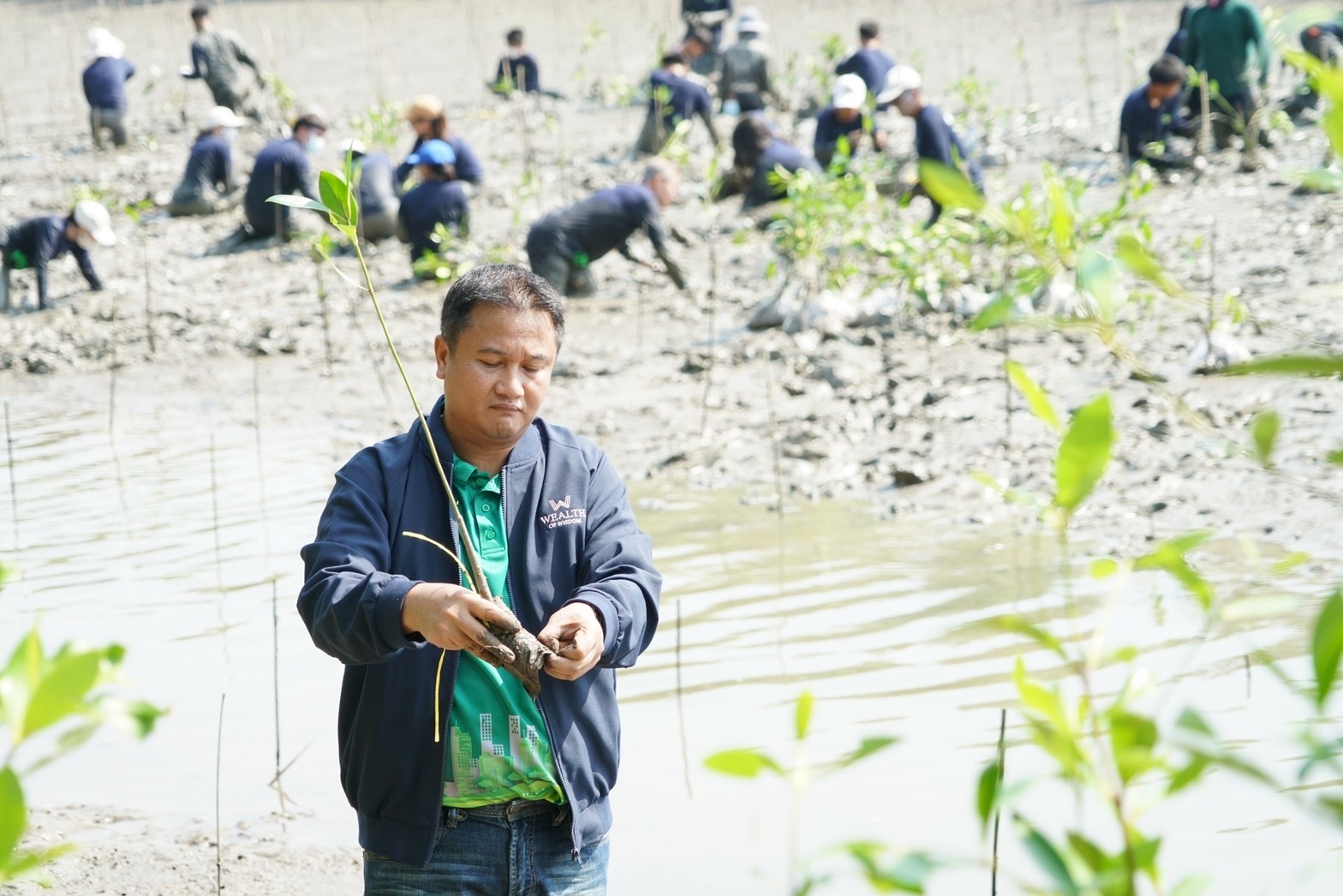
“The rehabilitation of the forest area that will return to 100 rai takes up to 3 years to return. But the destruction of 100 rai of forest takes only 1 day. Please do not let the forest deforestation help preserve the forest first for the next day. “

Mr. Theerapong Sangkain
Managing Director TEAMWORK CONSULTANT CO.,LTD

Why Blue Carbon?

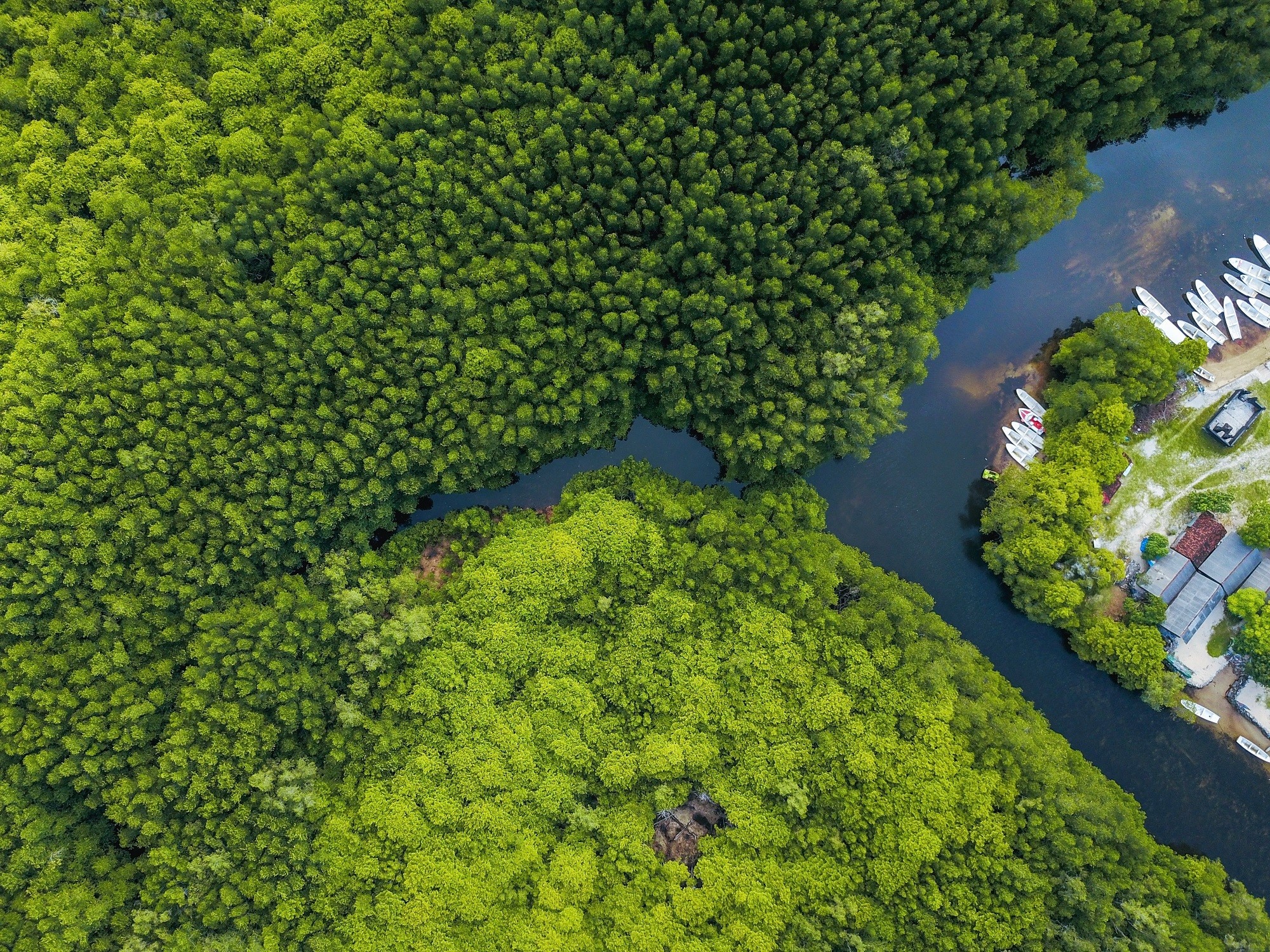
Blue carbon is the term for carbon captured and stored in coastal and marine ecosystems, such as mangroves, seagrasses, and tidal marshes. These ecosystems are incredibly efficient at sequestering carbon dioxide from the atmosphere, and they play a vital role in mitigating climate change.

Why is blue carbon important?

  • Climate change mitigation: Blue carbon ecosystems sequester and store large amounts of carbon dioxide from the atmosphere. This carbon is stored in the sediment and biomass of these ecosystems, where it can remain for centuries or even millennia. By protecting and restoring blue carbon ecosystems, we can help to reduce the amount of carbon dioxide in the atmosphere and mitigate the effects of climate change.
  • Coastal protection: Blue carbon ecosystems act as natural buffers against storms and flooding. They help to reduce wave height and storm surge, and they protect shorelines from erosion. This is especially important for coastal communities, which are increasingly vulnerable to the impacts of climate change.

  • Biodiversity: Blue carbon ecosystems are home to a wide variety of plants and animals, including many endangered species. These ecosystems provide important habitat for fish, birds, and other wildlife. By protecting blue carbon ecosystems, we can help to conserve biodiversity and protect the species that rely on these habitats.

  • Economic benefits: Blue carbon ecosystems support sustainable fisheries and aquaculture. They also attract tourists and recreationists. By protecting and restoring blue carbon ecosystems, we can support coastal economies and create jobs.

What are the threats to blue carbon?

Blue carbon ecosystems are facing a number of threats, including:

  • Reduce our carbon footprint: This will help to reduce the amount of carbon dioxide in the atmosphere that blue carbon ecosystems need to absorb.
  • Support organizations that are working to protect and restore blue carbon ecosystems: There are a number of organizations working to conserve and restore blue carbon ecosystems around the world. We can support these organizations by donating our time or money.
  • Advocate for policies that support blue carbon conservation: We can contact our elected officials and let them know that we support policies that protect and restore blue carbon ecosystems.

Blue carbon is a vital part of the solution to climate change. By protecting blue carbon ecosystems, we can help to mitigate climate change, protect coastal communities, conserve biodiversity, and support coastal economies.
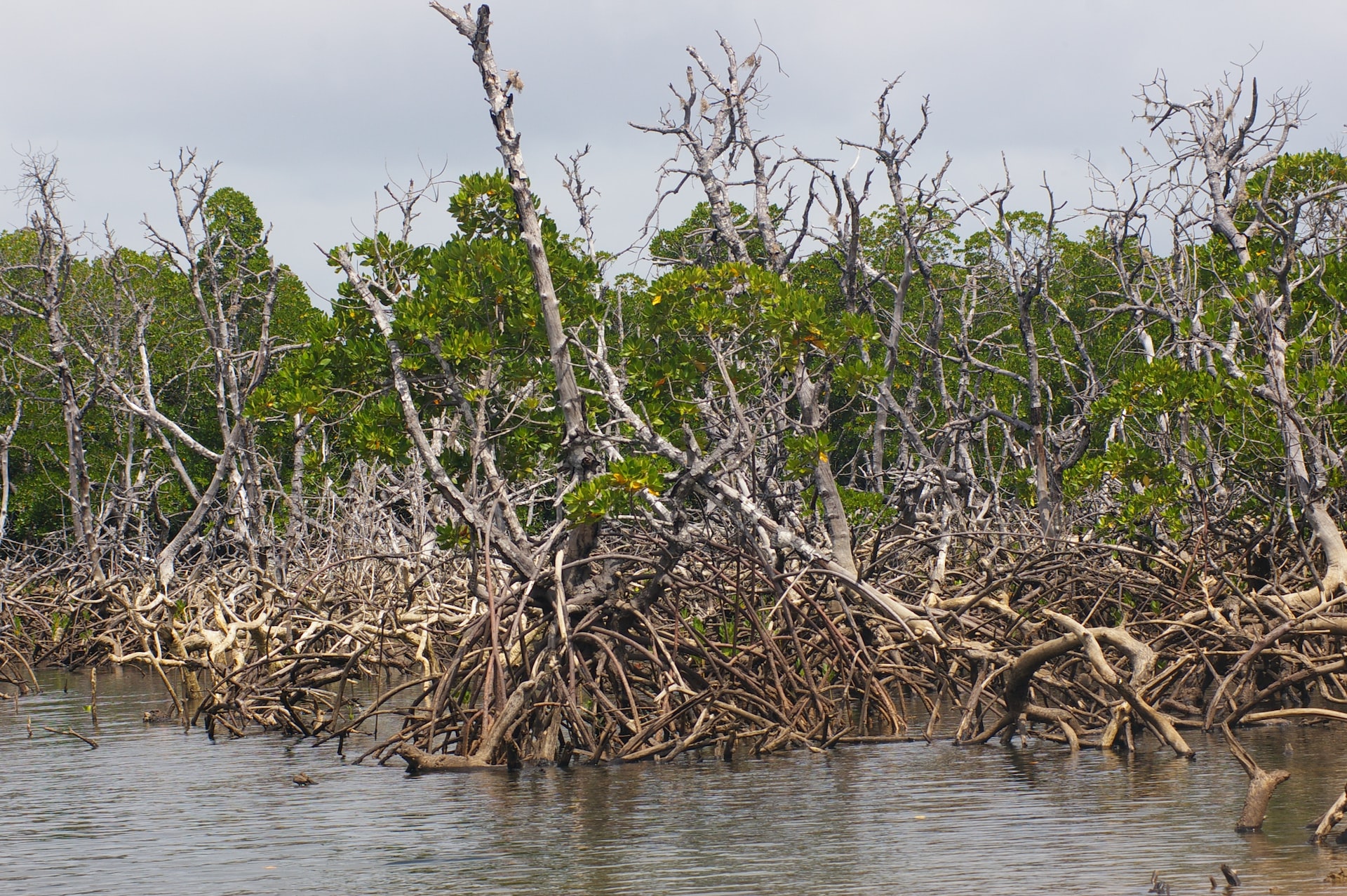
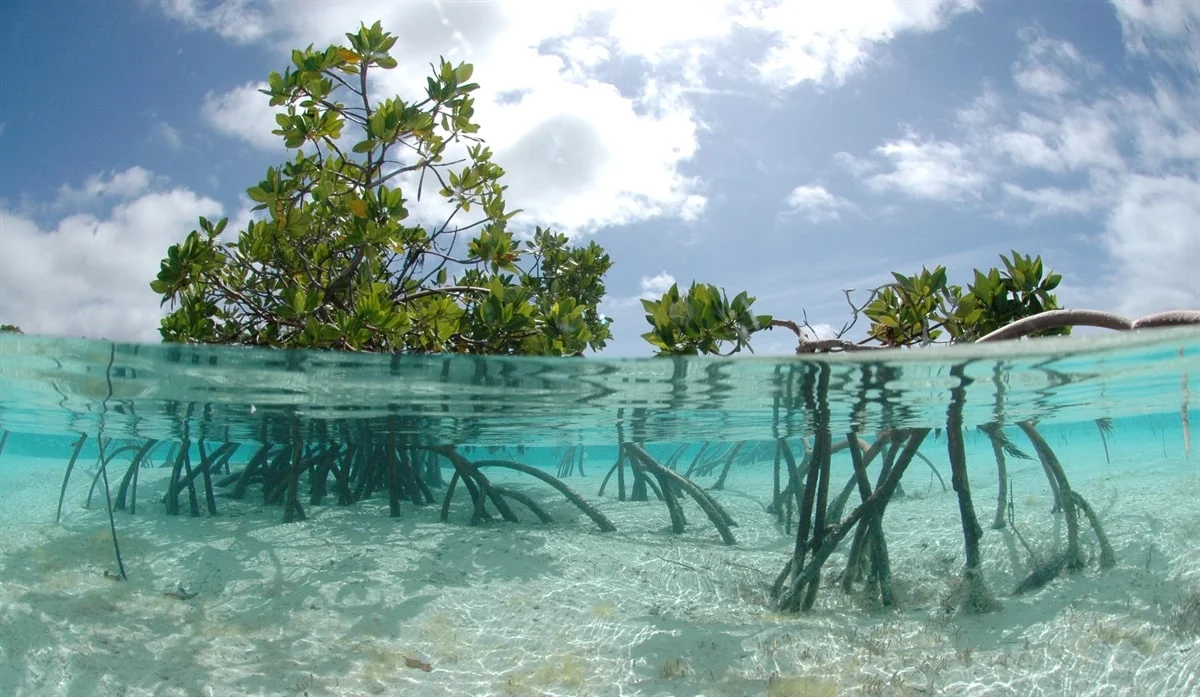
Protect blue carbon, protect our future.

The climate impact of blue carbon

The climate impact of blue carbon

Blue carbon is the term for carbon captured and stored in coastal and marine ecosystems, such as mangroves, seagrasses, and tidal marshes. These ecosystems are incredibly efficient at sequestering carbon dioxide from the atmosphere, and they play a vital role in mitigating climate change.

How do blue carbon ecosystems sequester carbon?

Blue carbon ecosystems sequester carbon through a process called photosynthesis. Plants in these ecosystems absorb carbon dioxide from the atmosphere and use it to produce food. This carbon is then stored in the plants’ biomass and in the sediment beneath them.

How much carbon do blue carbon ecosystems store?

Blue carbon ecosystems store an estimated 50% of the world’s ocean carbon. This is equivalent to the amount of carbon dioxide emitted by all fossil fuel combustion every year for three years.

What is the climate impact of blue carbon?

Blue carbon ecosystems play a vital role in mitigating climate change. By sequestering carbon dioxide from the atmosphere, these ecosystems help to reduce the greenhouse gas effect and slow the pace of global warming.

Blue carbon ecosystems also help to protect coastal communities from the impacts of climate change. For example, mangroves can reduce storm surge and flooding, and seagrasses can help to protect shorelines from erosion.

What can be done to protect blue carbon ecosystems?

There are a number of things that can be done to protect blue carbon ecosystems, including:

  • Reducing our carbon footprint: This will help to reduce the amount of carbon dioxide in the atmosphere that blue carbon ecosystems need to absorb.
  • Supporting organizations that are working to protect and restore blue carbon ecosystems: There are a number of organizations working to conserve and restore blue carbon ecosystems around the world. We can support these organizations by donating our time or money.
  • Advocating for policies that support blue carbon conservation: We can contact our elected officials and let them know that we support policies that protect and restore blue carbon ecosystems.

Blue carbon ecosystems are a vital part of the solution to climate change. By protecting these ecosystems, we can help to mitigate climate change, protect coastal communities, and conserve biodiversity.
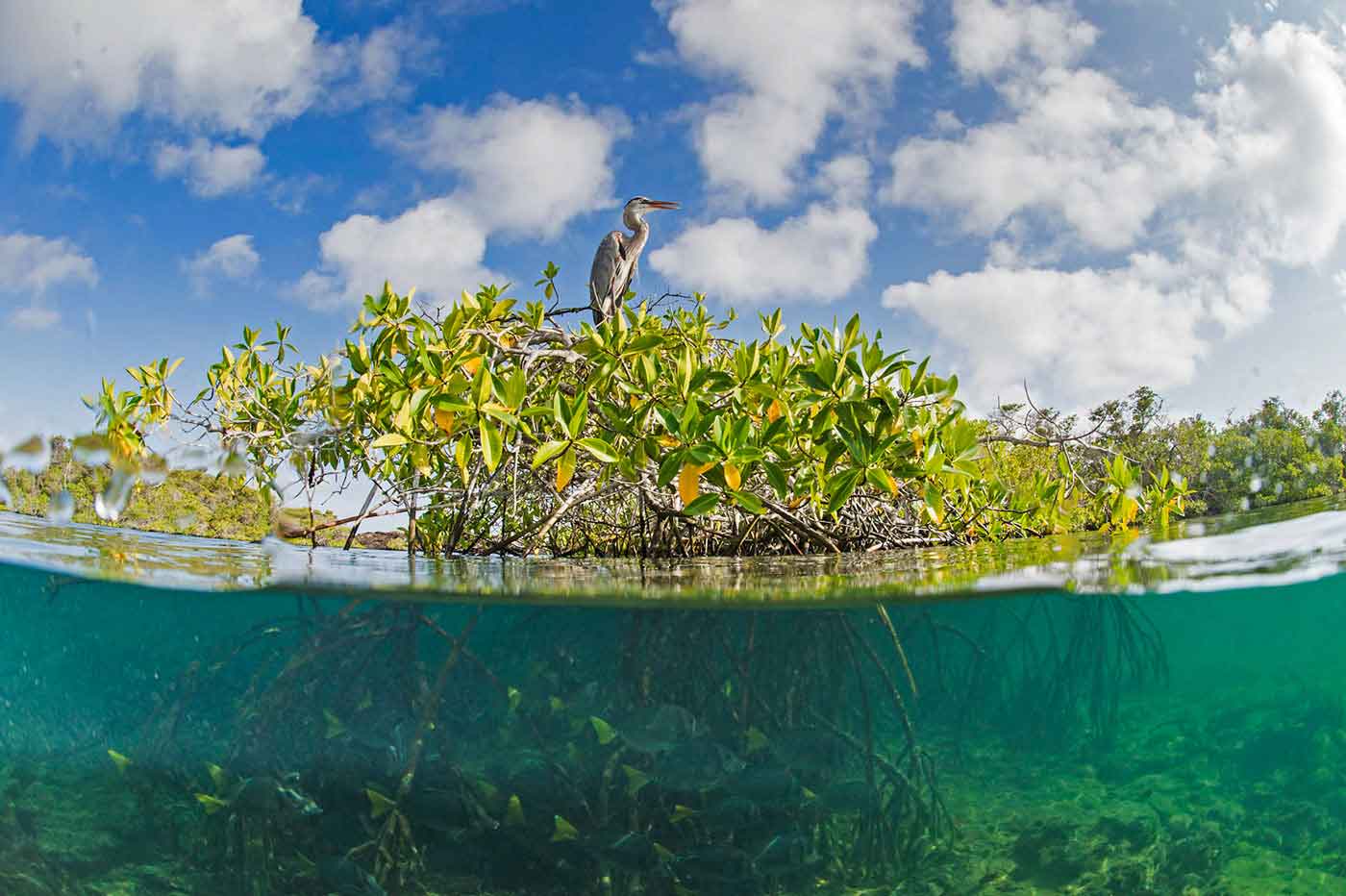
The importance of protecting and restoring blue carbon ecosystems

Blue carbon ecosystems are coastal and marine ecosystems that sequester and store large amounts of carbon dioxide from the atmosphere. These ecosystems include mangroves, seagrasses, and salt marshes.

What can you do to help blue carbon?

Blue carbon ecosystems are vital for mitigating climate change, protecting coastal communities, and conserving biodiversity. However, these ecosystems are under threat from a number of factors, including coastal development, pollution, overfishing, and climate change.

  • Reduce your carbon footprint: The less carbon dioxide that is in the atmosphere, the less carbon blue carbon ecosystems need to absorb. You can reduce your carbon footprint by making changes to your lifestyle, such as driving less, using public transportation, and eating less meat.
  • Support organizations that are working to protect and restore blue carbon ecosystems: There are a number of organizations around the world that are working to conserve and restore blue carbon ecosystems. You can support these organizations by donating your time or money.
  • Advocate for policies that support blue carbon conservation: You can contact your elected officials and let them know that you support policies that protect and restore blue carbon ecosystems. You can also get involved in local campaigns to protect blue carbon ecosystems.

Here are some specific examples of how you can help blue carbon:

  • Support mangrove restoration projects: Mangroves are one of the most important blue carbon ecosystems. You can support mangrove restoration projects by donating to organizations that are working to restore mangroves in your area.
  • Volunteer to plant seagrasses: Seagrasses are another important blue carbon ecosystem. You can volunteer to plant seagrasses in your area, or you can donate to organizations that are working to plant seagrasses.
  • Reduce your seafood consumption: Overfishing is a major threat to blue carbon ecosystems. You can help to reduce overfishing by reducing your seafood consumption, or by choosing seafood from sustainable sources.
  • Support sustainable coastal development: Coastal development can damage blue carbon ecosystems. You can support sustainable coastal development by advocating for policies that protect blue carbon ecosystems and by supporting businesses that are committed to sustainable development.

By taking these steps, you can help to protect blue carbon ecosystems and ensure that they continue to provide their many benefits to people and the planet.

Teamwork Media